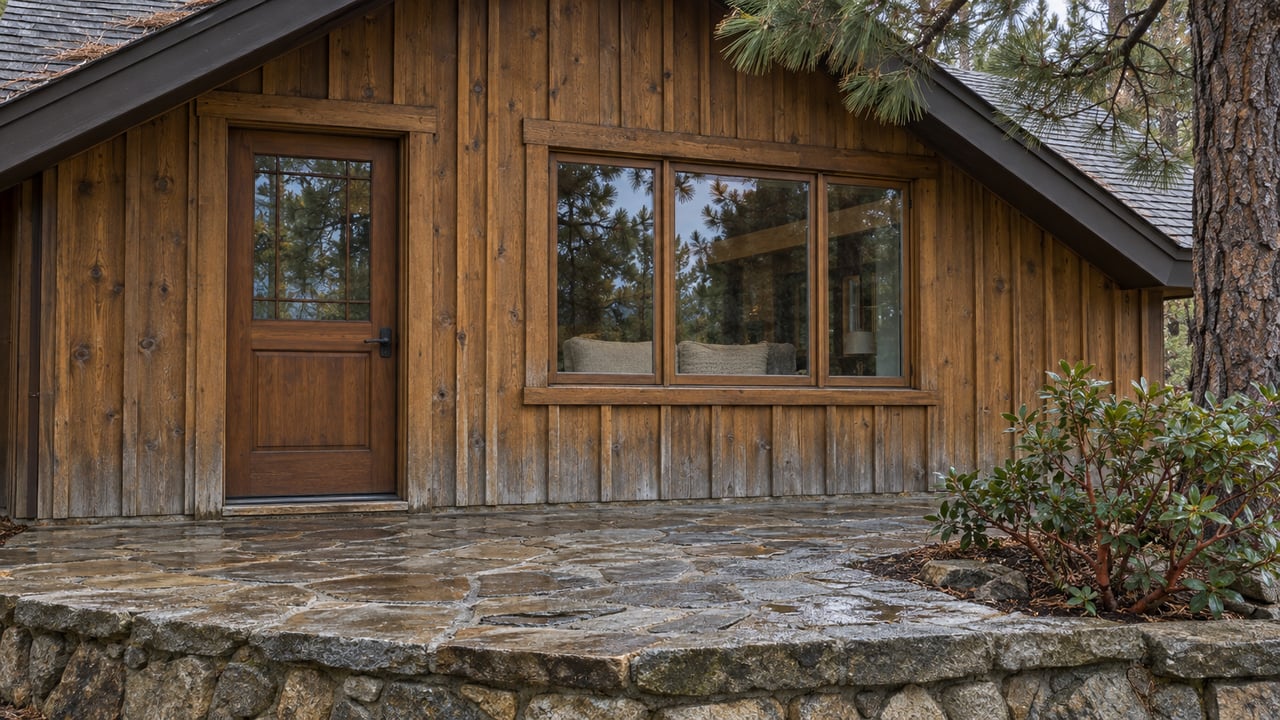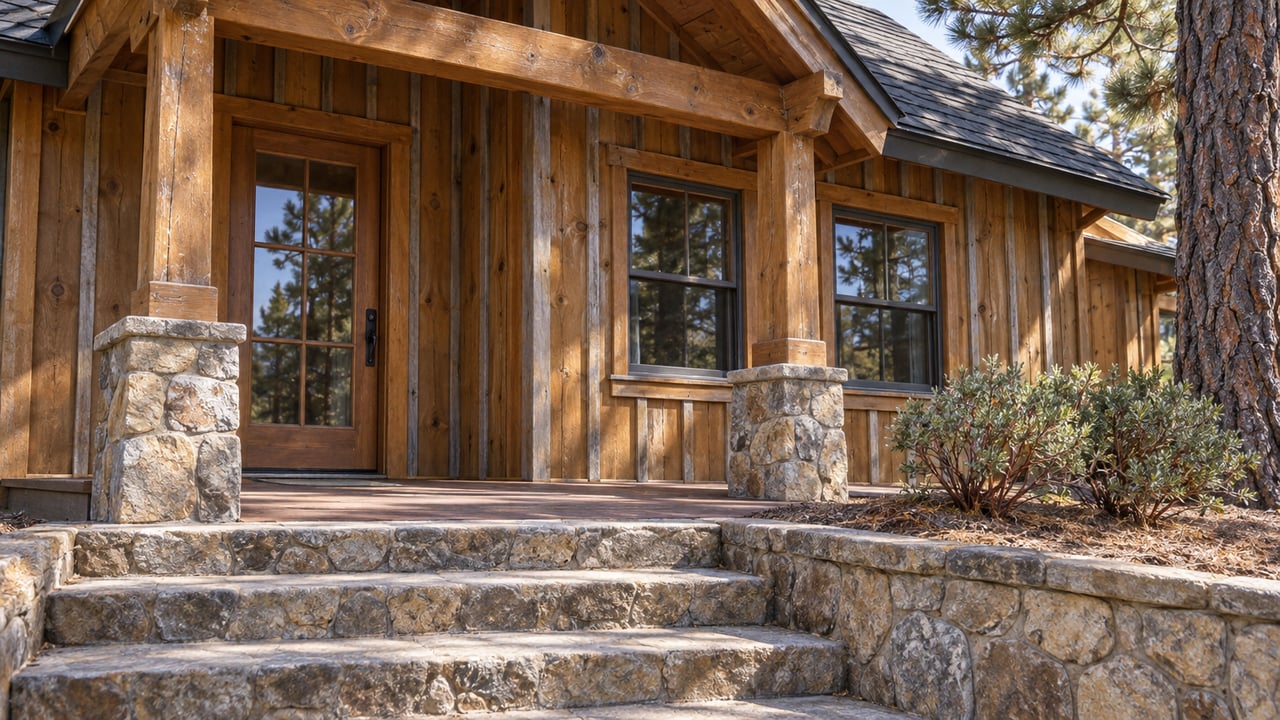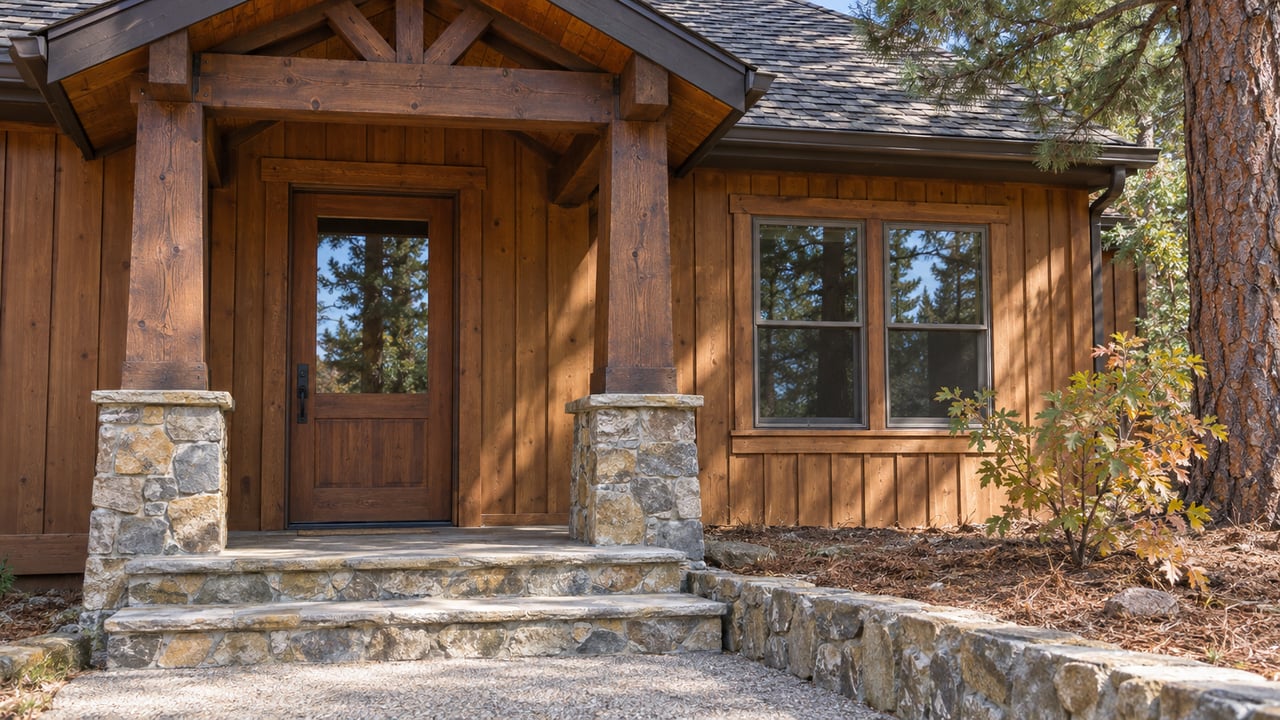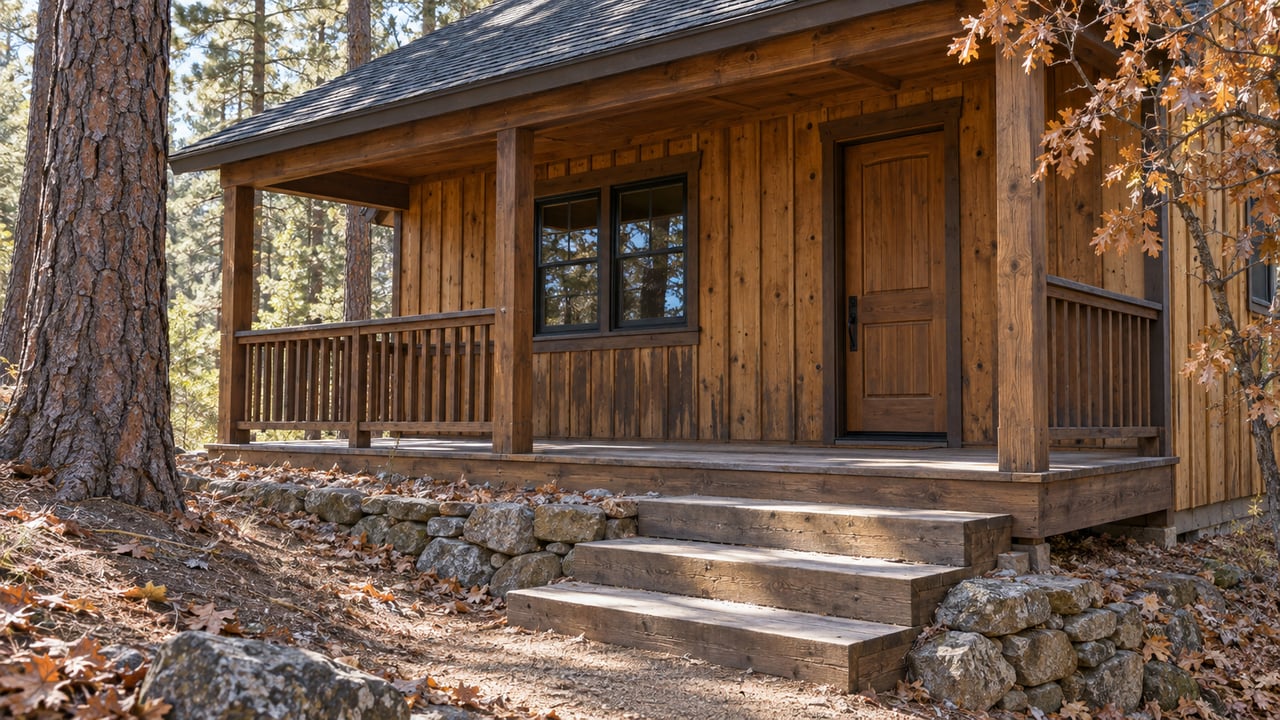
Wondering if your Twain Harte cabin could do more than sit empty between your own mountain weekends? You are not alone. Many owners see the appeal of earning income from a cabin near Pinecrest, Dodge Ridge, Yosemite routes, and the Stanislaus National Forest, but the real opportunity comes with real county rules. This guide walks you through what to think about before you list, what Tuolumne County requires, and how to turn your cabin into a rental with fewer surprises. Let’s dive in.
Why Twain Harte Cabins Draw Guests
Twain Harte fits naturally into Tuolumne County’s tourism story. County tourism materials highlight the area’s cabins, shops, galleries, and easy access to outdoor recreation, which helps explain why visitors already see this area as a place to stay, not just pass through.
That matters if you are thinking about rental use. Demand in a place like Twain Harte tends to follow the broader mountain recreation calendar, with summer lake trips and hiking, winter ski and snow getaways, and shoulder seasons built around scenic drives, events, and small-town charm.
In other words, the local appeal is not tied to one short peak season. A well-prepared cabin can attract interest across different times of year if you match your setup and management plan to the kind of stays you want to host.
Start With the Rental Strategy
Before you buy furniture or take listing photos, decide what kind of rental you want to run. In Tuolumne County, a short-term rental is overnight lodging for at least one night and no more than 30 days.
That definition shapes almost everything that follows. If you plan to host short stays, you need to think about inspections, tax registration, guest turnover, and local response requirements from the start.
If you are considering stays longer than 30 days, your setup may fall outside the county’s transient occupancy framework. That can change how taxes and compliance work, so it is smart to confirm the rules before assuming a 31-day booking works just like a short-term rental.
Know Tuolumne County STR Rules
If your cabin is in the unincorporated area of Tuolumne County, you cannot legally maintain, operate, or use it as a short-term rental without meeting county requirements. One of the biggest is the fire and life safety inspection.
Beginning January 19, 2024, all short-term rental applicants must have a paid and passing fire and life safety inspection to operate. The county also requires these inspections to be renewed every two years.
The short-term rental application fee is $300. The homeowner or management company must submit the application when scheduling the inspection.
The county also requires a Transient Occupancy Tax certificate before using the property as a short-term rental. According to the county, that certificate does not need renewal unless the information changes.
One detail that surprises many owners is that a general business license is not required in the unincorporated area of Tuolumne County. For many cabin owners, the real compliance path is less about a standard business license and more about tax registration and fire-safety approval.
Fire Safety Is a Core Part of Launch
In mountain communities, fire safety is not a box to check at the end. It is a central part of getting your cabin ready for guests.
Tuolumne County ties short-term rental approval to several safety items. These include smoke alarms, carbon monoxide alarms where there are fuel-fired appliances or fireplaces, a five-pound fire extinguisher near the kitchen, visible address identification, and defensible space compliance under Cal Fire requirements and county vegetation rules.
The county also says fire extinguisher inspections must be completed annually by a certified professional. If your cabin has been used mostly as a personal getaway, this is a good reminder that guest use raises the standard for documentation, upkeep, and consistency.
For many owners, this is where mountain property experience really matters. A cabin can feel guest-ready, but still need work on access, signage, vegetation clearance, or safety equipment before it is ready for inspection.
Plan for a Local Contact
A Twain Harte rental needs more than a lockbox and a cleaner. Tuolumne County requires a local contact person who is personally available by phone 24 hours a day and able to be onsite within 60 minutes.
That rule can shape whether self-management is realistic. If you live nearby and can respond quickly, you may be able to fill that role yourself.
If you live out of the area, the county allows an agent or professional property management company to serve as the local contact if it meets the response standard. For second-home owners from the Central Valley or Bay Area, this can be one of the biggest operational decisions you make.
Understand Taxes Before You List
If you operate a short-term rental in the unincorporated area, Tuolumne County’s transient occupancy tax is 12% of the rent charged. The county defines a transient as an occupant staying 30 consecutive calendar days or less.
Operators must collect the tax, state it separately from rent, and remit it with quarterly returns. The county’s filing deadlines are April 30, July 31, October 31, and January 31 for the prior quarter.
Platform handling also matters. Tuolumne County says Airbnb collects and remits transient occupancy tax on bookings made through Airbnb, but VRBO and other booking sites do not collect on the county’s behalf.
That means you need a system. If you take direct bookings or use non-Airbnb platforms, you are still responsible for tracking and remitting the tax correctly.
The county also says Airbnb revenue should not be reported again on your quarterly transient occupancy tax return. Keeping your booking records organized from day one can save you a lot of confusion later.
Keep Good Records From Day One
A rental that brings in guests also creates paperwork. Tuolumne County requires operators to keep required records for three years.
That is important for tax reporting, platform reconciliation, and any future questions about compliance. The county also notes that tax not paid when due can lead to penalties and collection action.
Your transient occupancy tax registration certificate shows compliance with the tax-collection requirement, but it does not replace other county permits or make an otherwise unlawful use legal. In practical terms, tax registration and short-term rental compliance work together, not separately.
Do Not Overlook Business Personal Property
There is another cost and reporting issue that owners often miss. Tuolumne County says short-term rental business property is appraised annually at current market value.
The assessor’s short-term rental statement shows that furnishings, supplies, equipment, and fixtures used in the rental may be reportable business personal property. The county’s 2026 form specifically lists items like sofas, mattresses, bedding, dishware, and similar household furnishings used in the rental.
If you are budgeting for a launch, it helps to think beyond furniture cost alone. Your cabin setup may also create assessor reporting responsibilities tied to the items you place in service for guests.
A Practical Cabin Launch Checklist
Turning a Twain Harte cabin into a rental works best when you treat it like both a property and a small operation. A simple checklist can help you stay organized.
Key steps before listing
- Decide whether the cabin will be a short-term rental or a longer-term rental strategy
- Confirm how the county rules apply to your intended stay length
- Apply for the Transient Occupancy Tax certificate
- Schedule the short-term rental fire and life safety inspection
- Complete any needed safety or defensible space work
- Set up a local contact person or qualified property manager
- Create a system for tax tracking, platform reporting, and record retention
- Review whether furnishings and equipment may need to be reported for assessor purposes
Think Like an Owner and an Operator
A successful mountain rental is not just about charm. It is about whether the home is safe, compliant, and manageable when guests are coming and going.
That is especially true in places like Twain Harte, where cabins often come with steep driveways, fireplaces, trees close to the home, and seasonal maintenance needs. The right plan depends on your location, your distance from the property, and how hands-on you want to be.
If you are still in the early stages, it can help to evaluate the cabin itself before you commit to a rental plan. Some properties are a much easier fit for guest use than others.
Why Local Guidance Helps
Buying or repositioning a cabin for rental use involves more than choosing a cute mountain aesthetic. You may also need to think about access, maintenance, vegetation, vendor coordination, and how the property will function when you are not there.
That is where local insight can make a real difference. In Tuolumne County, mountain properties often come with details that out-of-area buyers and second-home owners do not spot right away.
If you are weighing whether to buy a cabin with rental potential, or deciding how to prepare one you already own, a local real estate guide can help you think through the property side before you get too far into the setup process.
If you want practical guidance on buying, selling, or evaluating a mountain property in Twain Harte or nearby communities, connect with Leeann Lupo for local, hands-on support.
FAQs
What counts as a short-term rental in Tuolumne County?
- In Tuolumne County, a short-term rental is overnight lodging for at least one night and no more than 30 days.
Does a Twain Harte cabin need a fire inspection before short-term rental use?
- Yes. In the unincorporated area of Tuolumne County, a short-term rental must have a paid and passing fire and life safety inspection to operate, and inspections renew every two years.
Does a Twain Harte short-term rental need a business license?
- No general business license is required in the unincorporated area of Tuolumne County, but owners still need to follow the county’s short-term rental and transient occupancy tax requirements.
What is the transient occupancy tax for a Tuolumne County cabin rental?
- The transient occupancy tax is 12% of rent charged in the unincorporated area for stays of 30 consecutive calendar days or less.
Does Airbnb collect transient occupancy tax for Tuolumne County rentals?
- Yes. Tuolumne County says Airbnb collects and remits transient occupancy tax on Airbnb bookings, while VRBO and other booking sites do not collect on the county’s behalf.
Does a Twain Harte rental need a local contact person?
- Yes. Tuolumne County requires a local contact who is available by phone 24 hours a day and able to be onsite within 60 minutes.
Do furnishings in a Twain Harte short-term rental get reported to the assessor?
- They may. Tuolumne County says furnishings, supplies, equipment, and fixtures used in a short-term rental may be reportable business personal property.