Ever walk through Columbia and wonder why the town feels so distinct from other foothill communities? That character is not accidental. From sturdy brick storefronts to simple cottage-like homes and quieter newer construction nearby, Columbia’s architecture tells a very specific story about fire, commerce, and life in Gold Country. If you are buying, selling, or simply getting to know the area, understanding those visual layers can help you read the town with more confidence. Let’s dive in.
Columbia's Historic Look
Columbia’s historic core is rooted in the Gold Rush, and that is the clearest starting point for understanding the area’s architecture. Columbia State Historic Park preserves the town center as a living Gold Rush town, and California State Parks describes it as home to the largest collection of Gold Rush-era buildings in California.
One of the biggest visual clues is brick. State Parks notes that more than 30 original brick buildings still line Main Street, which makes brick the most important material cue in the historic center. If you are walking through town and noticing a strong, solid, timeworn feel, that brick presence is a major reason why.
Why Brick Matters Here
Columbia’s architecture was shaped in part by repeated fires. According to a National Park Service theme study, brick became a favored choice because it suggested permanence and prestige while also offering better fire resistance than more vulnerable building methods.
At the same time, many of Columbia’s buildings stayed relatively plain. Instead of heavy ornament, the look often relies on practical details like door and window trim and iron shutters. That simplicity gives Columbia a grounded, durable appearance that still reads clearly today.
Gold Rush Storefront Features
If you want to spot classic Columbia commercial architecture, the county’s design guidelines offer a useful checklist. Early commercial buildings were often two or three stories tall and could be wood-frame, brick, or other masonry, especially where fire resistance mattered.
Some of the most recognizable features include:
- False fronts
- Gable, hip, or shed roofs
- Covered sidewalks
- Narrow, high doors
- Smaller multi-pane windows
- Window divisions created by mullions
These details are a big part of what people think of as classic Gold Country storefront design. Even casual visitors tend to recognize the rhythm of these façades right away.
Cottage-Like Homes Near Columbia
Columbia is not just storefronts and public buildings. The area also includes early houses that carry a simpler, more residential version of Gold Rush-era design.
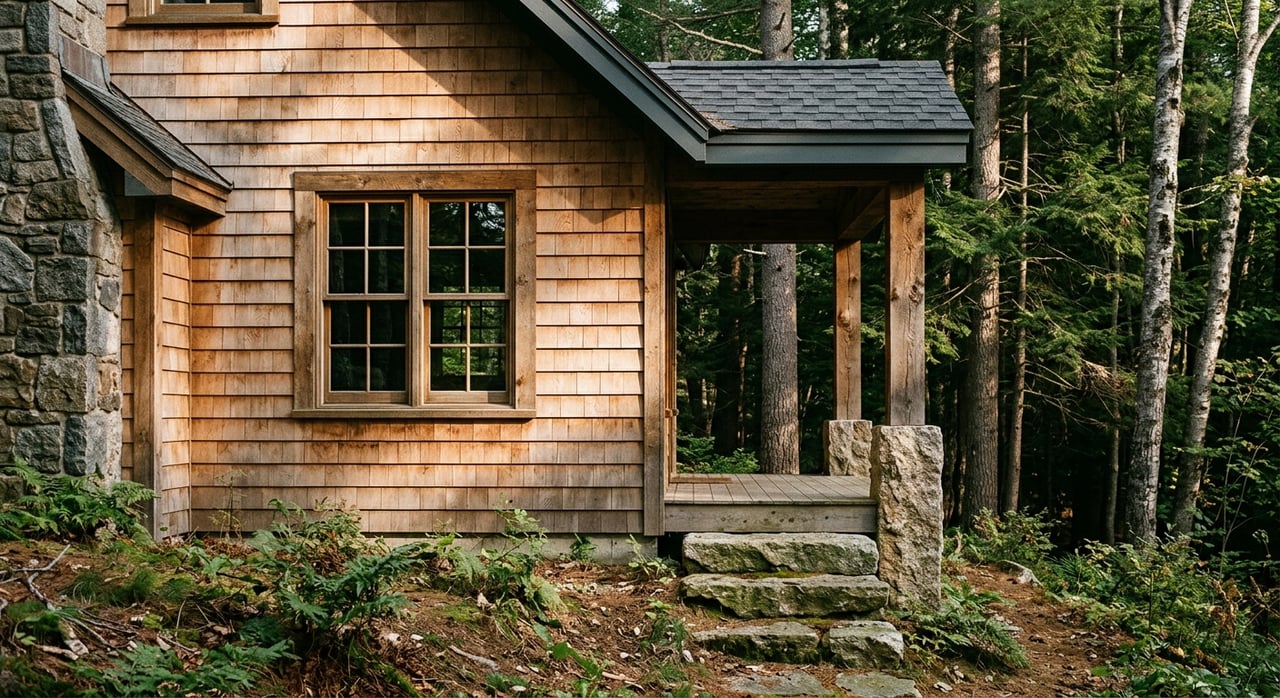
According to Tuolumne County’s design guidance, early single-family homes in the Columbia area were usually one- or two-story dwellings. They commonly featured gabled roofs, wooden shakes or shingles, clapboard or board-and-batten siding, front porches, turned porch posts, small-paned windows, and wooden shutters.
Together, those elements create the cottage-like, vernacular feel many buyers notice in and around Columbia. These homes often look practical first, but they also have warmth and texture that fit the foothill landscape well.
A Mix of Living and Business
Another reason Columbia feels unique is that its historic character is not limited to one building type. State Parks describes the preserved area as a Gold Rush-era business district with shops, restaurants, and two hotels.
That blend of commercial and residential use is part of the story. One preserved Main Street building, for example, was built as a bedroom addition to a family dry-goods store and residence. In other words, Columbia’s architecture reflects a town where daily life and business often happened side by side.
Gothic Revival in the Historic District
While Columbia is best known for its Gold Rush vernacular look, that is not the whole picture. National Register metadata for the Columbia Historic District also lists Gothic Revival among the district’s architectural styles.
That matters because it shows the town is not visually one-note. Most people will still notice the brick, wood, and practical storefront forms first, but the historic district includes a broader architectural vocabulary than many assume.
Newer Homes Around Columbia
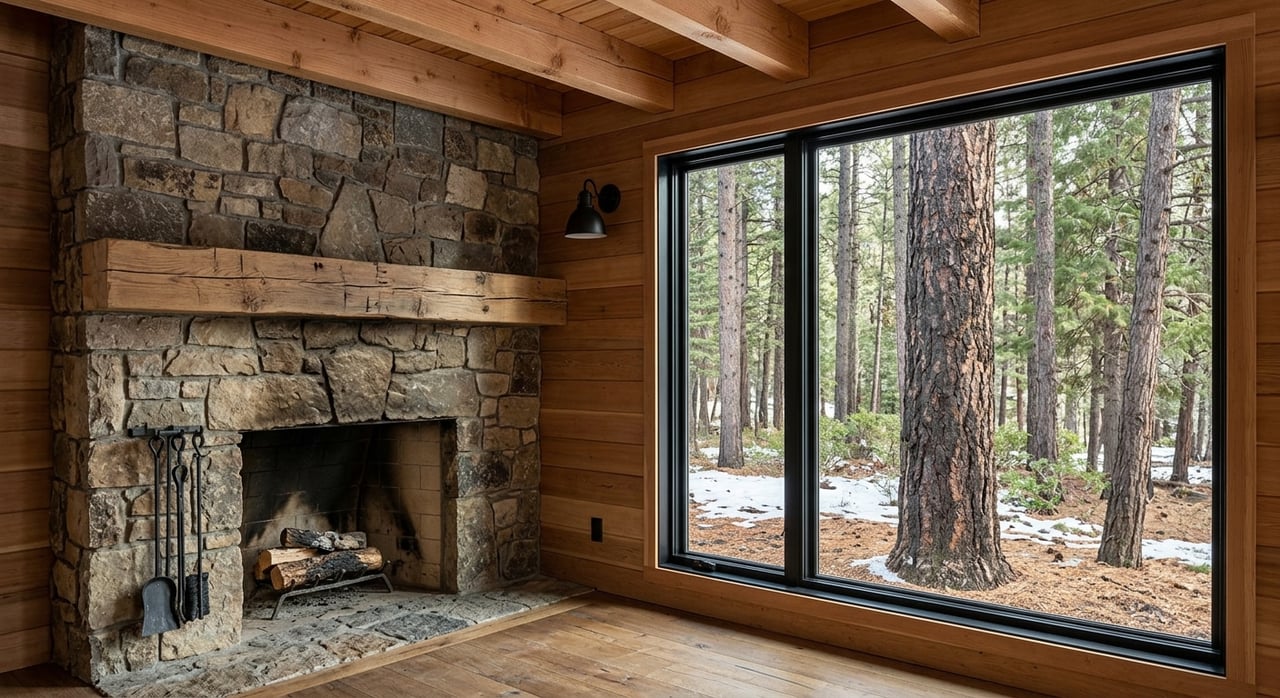
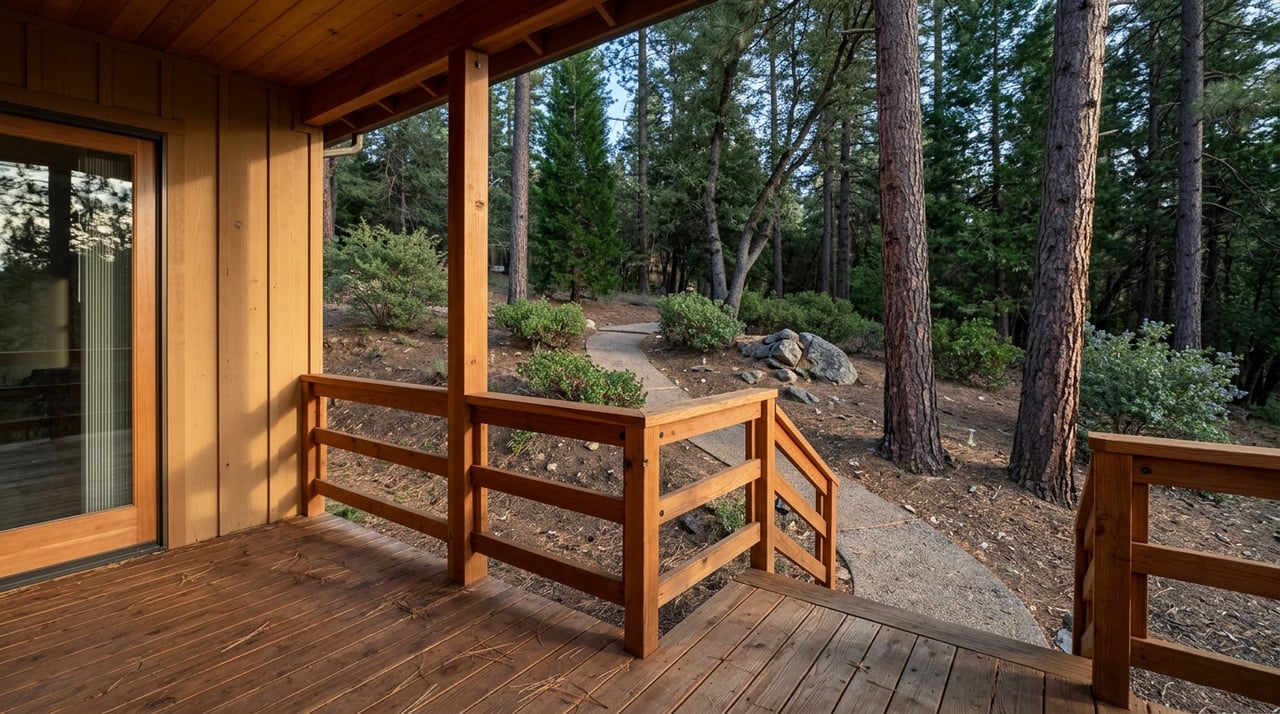
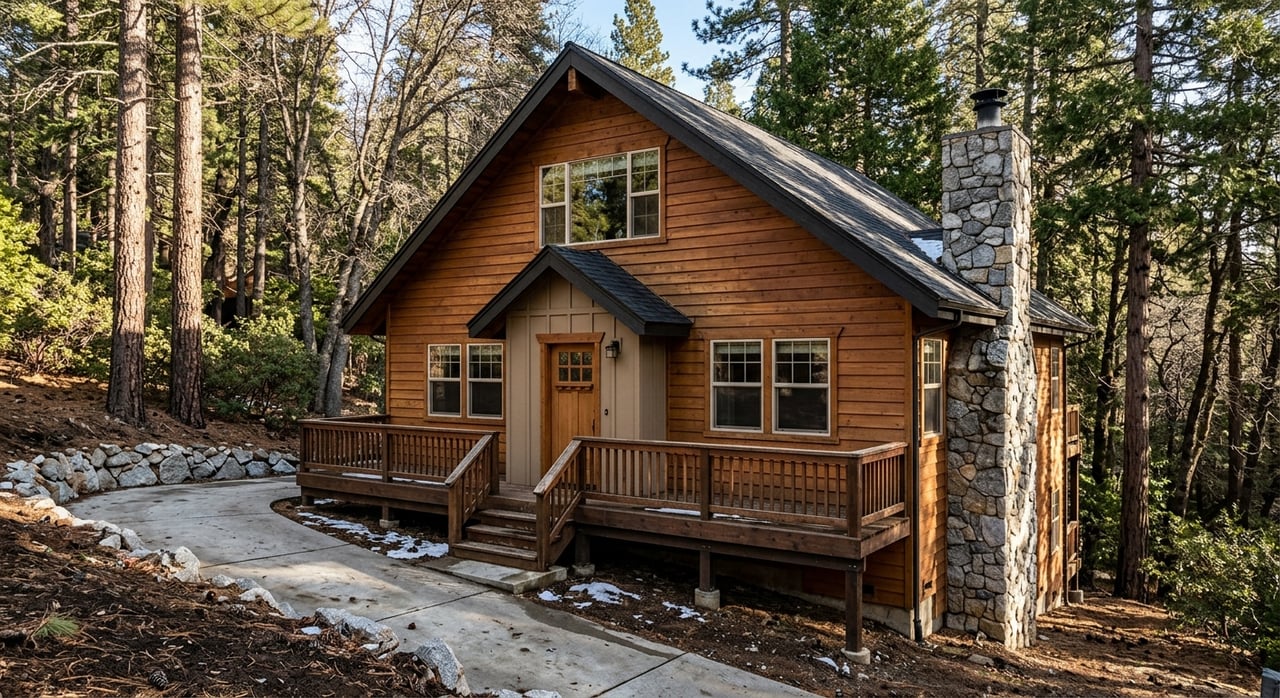
Once you move beyond the historic core, the architecture begins to shift. The area around Columbia includes newer foothill homes that are not replicas of Gold Rush buildings, but they are often shaped by the same local design expectations.
Tuolumne County’s Columbia Design Review District covers the area around Columbia State Park, some nearby residential areas, and much of the Parrotts Ferry Road corridor. The county says new development should be compatible with California Gold Rush architecture, even when newer materials are used.
What Compatibility Usually Looks Like
For buyers, this helps explain why newer homes near Columbia often feel more restrained than heavily suburban. The county design guide emphasizes compatibility with the historic context rather than dramatic contrast.
That compatibility can show up in features such as:
- Gabled rooflines
- Subdued exterior treatments
- Screened parking areas
- Fire-conscious roofing materials
- Low-profile forms that sit more quietly on the site
The result is a built environment where newer construction often tries to respect the setting instead of overpowering it. You may see modern functionality, but usually with a simpler and more context-sensitive exterior expression.
Design Review Can Influence Appearance
If you are considering property in or near Columbia, it helps to know that design review may play a role. Tuolumne County says projects in a design review district are reviewed for consistency with the applicable design guide.
The county also notes that parcels in the historic combining district are considered by the Historic Preservation Review Commission. For buyers and sellers, that can be an important piece of context when thinking about remodels, additions, exterior changes, or future building plans.
Three Architectural Layers to Notice
The easiest way to understand Columbia’s visual identity is to think in layers. This can be especially helpful if you are touring homes and trying to make sense of why one pocket feels different from another.
1. Historic brick and wood core
This is the preserved heart of Columbia. Here, you are most likely to see brick storefronts, plain but sturdy commercial buildings, covered sidewalks, and the strongest Gold Rush-era visual character.
2. Vernacular houses nearby
Just beyond the core, the residential pattern becomes more prominent. These homes often show gabled roofs, porches, board-and-batten or clapboard siding, shutters, and other simple details that give the area its cottage-like foothill charm.
3. Newer foothill homes outside the park
Farther out, you are more likely to find later construction. Even so, county guidance helps explain why many of these homes still feel relatively simple, site-sensitive, and visually tied to the broader Columbia setting.
How Columbia Compares Regionally
Columbia stands out within Tuolumne County, but it also fits into a broader regional architectural story. Nearby Sonora offers a useful contrast.
The historic Tuolumne County courthouse in Sonora was designed in Spanish Revival style. That contrast shows that the county includes more than one historic design language, with Columbia leaning most strongly into Gold Rush vernacular forms while nearby communities reflect later civic influences as well.
Why This Matters When You Shop for Property
Architecture is not just about looks. In a place like Columbia, it can shape how a property fits into its setting, what kinds of exterior changes may make sense, and how a home connects to the area’s identity.
If you are buying, this knowledge can help you better understand the difference between a preserved historic setting, an older foothill cottage, and a newer home designed for compatibility. If you are selling, it can also help you present your property in a way that highlights the features local buyers and out-of-area buyers notice first.
Columbia’s appeal comes from that layered sense of place. The brick storefronts, practical early houses, and quieter newer homes all contribute to a town that feels rooted, recognizable, and distinctly Tuolumne County.
If you are thinking about buying or selling in Columbia or anywhere nearby, Leeann Lupo can help you make sense of the local market, property style, and what makes each part of the foothills unique.
FAQs
What architectural style is most common in historic Columbia, California?
- In historic Columbia, the most recognizable style is Gold Rush-era vernacular architecture, especially plain brick and wood commercial buildings with features like false fronts, covered sidewalks, and multi-pane windows.
Why are there so many brick buildings in Columbia?
- Brick became especially important in Columbia after repeated fires, and it was favored for permanence, prestige, and better fire resistance.
What do older homes around Columbia usually look like?
- Older Columbia-area homes often have gabled roofs, wood siding such as clapboard or board-and-batten, front porches, turned porch posts, small-paned windows, and wooden shutters.
Are newer homes near Columbia designed to match the historic area?
- In parts of the area around Columbia, county design guidance says new development should be compatible with California Gold Rush architecture, even when newer materials are used.
Does Columbia have design review for certain properties?
- Yes. Tuolumne County says projects in the design review district are reviewed for consistency with the applicable design guide, and parcels in the historic combining district are considered by the Historic Preservation Review Commission.
How is Columbia architecture different from nearby Sonora architecture?
- Columbia is best known for Gold Rush vernacular buildings, while nearby Sonora includes examples of later civic architecture such as the historic courthouse designed in Spanish Revival style.