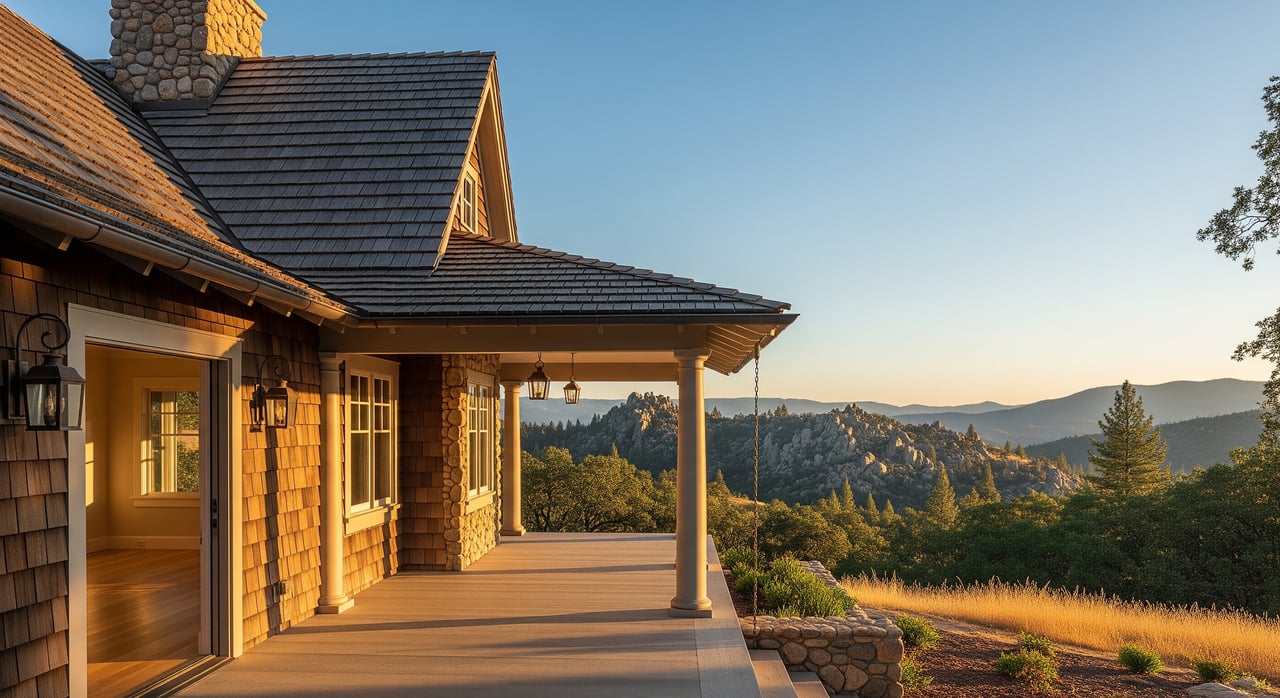
Picture a place where you can grab coffee downtown, then be at a forest trailhead or lake in under an hour. If you’re weighing a move to the Sierra Nevada foothills, you’re likely looking for more space, a slower pace, and year-round outdoor access. Sonora offers that mix, along with a historic Gold Rush vibe and a practical, day-to-day rhythm that works for families, downsizers, and remote workers. In this guide, you’ll learn how neighborhoods feel, what daily life looks like, and the tradeoffs to consider so you can decide if Sonora fits your lifestyle. Let’s dive in.
Sonora at a glance
Sonora is the county seat of Tuolumne County, a small city set among foothill towns and mountain hamlets. You’ll meet long-time locals, retirees, families, and more remote workers who value the outdoors and a close-knit community pace. The housing mix ranges from historic Victorians near downtown to modest neighborhoods and cabin-style homes in nearby forested communities.
Many people relocate here for access to nature and relative affordability compared to major coastal metros. Daily life is anchored by local schools, county services, and healthcare, with a social calendar that leans into markets, parades, and seasonal festivals.
Neighborhoods and homes
Historic downtown streets
Just off Main Street, you’ll find older homes with character, including Victorians and early bungalows. Living here puts you close to shops, restaurants, the courthouse, and community events. Renovations can be rewarding, and you should plan for potential updates such as insulation, plumbing or electrical, and historic district considerations.
City neighborhoods nearby
South and west Sonora feature small-city residential streets with single-family homes and modest yards. You get quick access to schools, grocery stores, and services. These areas offer a practical base if you want simple commutes to local work or you plan to be downtown often.
Foothill communities around Sonora
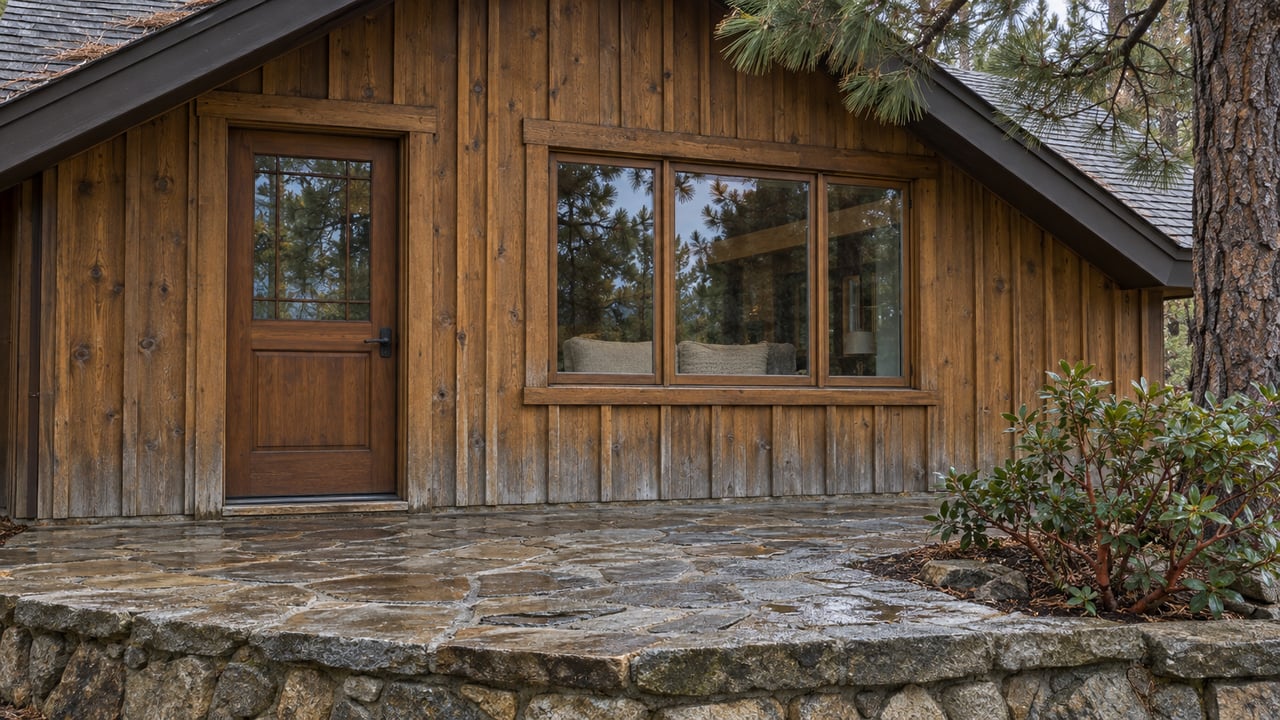
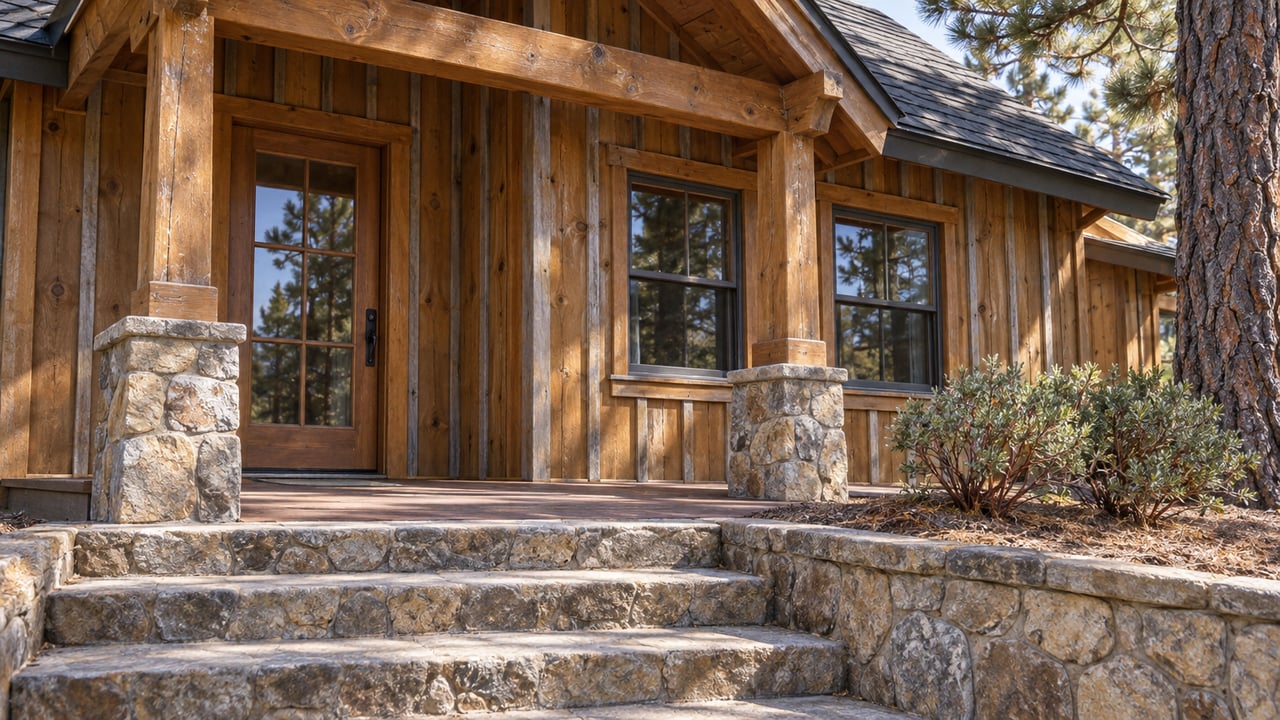
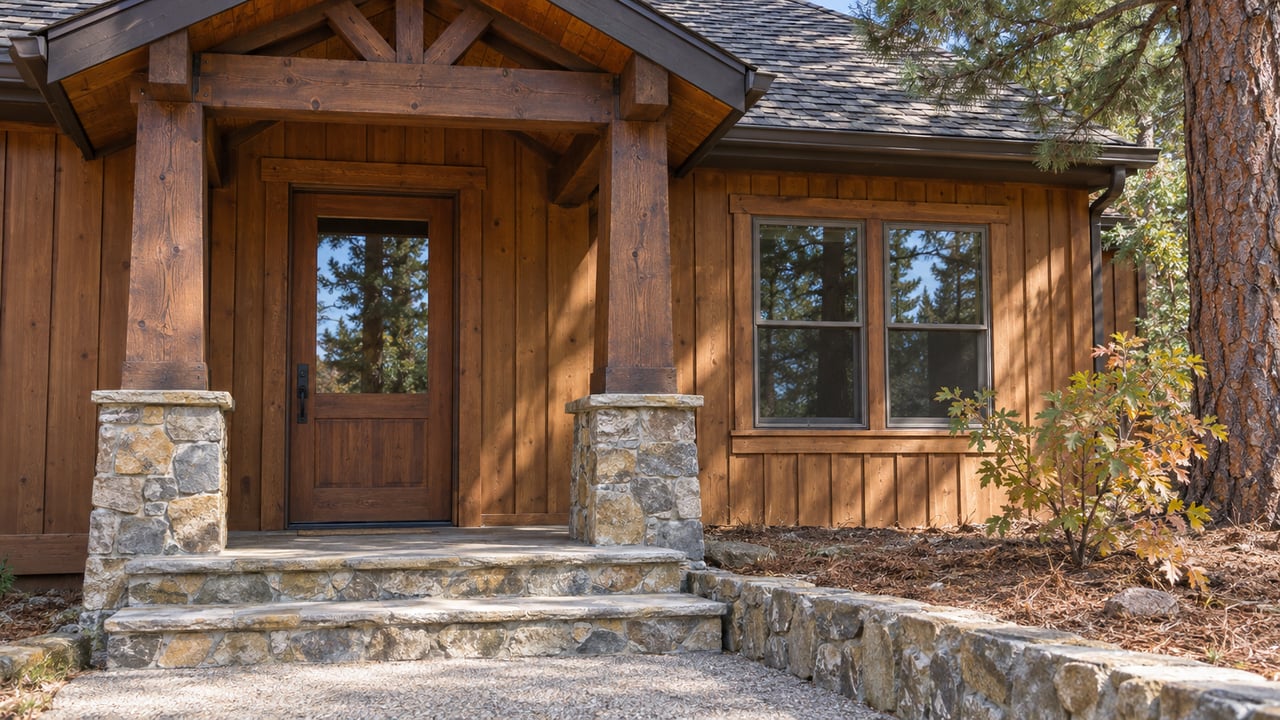
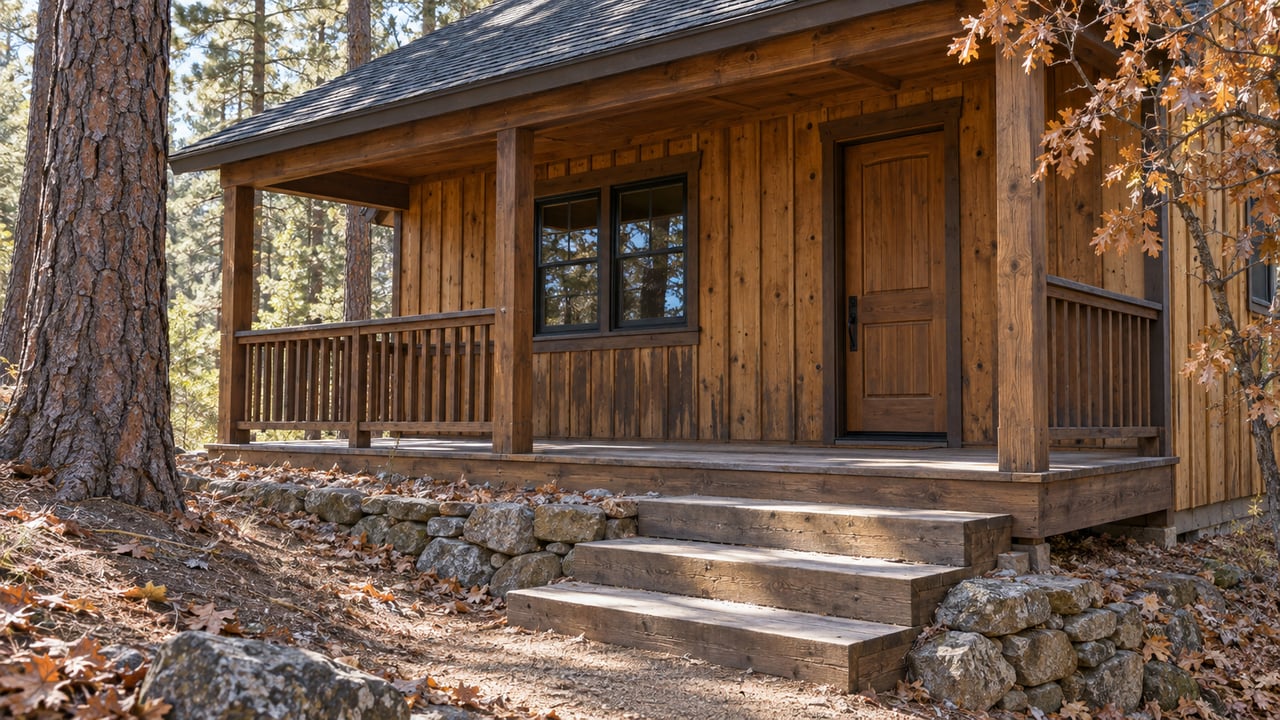
Looking just outside the city opens up options like Jamestown and Columbia, which offer main-street charm, or forested communities such as Twain Harte and Mi-Wuk Village. These neighborhoods range from year-round homes to cabins and second homes. If you value trees, privacy, and a mountain feel, these spots are worth a look.
Rural properties and cabins
For acreage and privacy, you’ll find homes on larger lots through the foothills. These properties often sit near lakes, trailheads, or higher-elevation recreation. They can involve wells, septic systems, and private roads, so build in time for inspections and utility research.
Practical real estate checks
- Verify property taxes and any special assessments under California rules for your parcel.
- Assess wildfire exposure and insurance options using state resources such as the Cal Fire Fire Hazard Severity Zones maps, then confirm coverage with your insurer.
- Confirm utilities: city water and sewer in town, or well and septic in rural areas, plus any maintenance needs.
- Check broadband availability at the exact address. Service can vary by street and elevation.
Everyday life and amenities
Downtown, shopping, and services
Sonora’s historic downtown offers independent shops, antique stores, cafes, and restaurants with a walkable main street feel. For daily needs, you’ll find full-service grocery stores and familiar chains in or near town. For broader retail or malls, most residents make occasional trips to larger Central Valley cities.
Community culture and events
You’ll notice the area’s Gold Rush roots, especially with nearby living-history attractions and local museums. Expect farmers markets, holiday parades, and a steady stream of community fundraisers, school events, and small performance venues. Many residents connect through service clubs, outdoor groups, and volunteer organizations.
Schools and learning
Public schools serve the city and surrounding communities with smaller enrollments than big metros. Families often appreciate the community feel and hands-on involvement opportunities. Program offerings and extracurriculars vary by campus, and you can explore private or charter options within the county.
If schools are a priority, verify boundaries, enrollment, and program details directly with the districts or the California Department of Education. Doing a campus visit and talking to staff can help you understand schedule, activities, and transportation options.
Healthcare and essential services
Adventist Health Sonora anchors local medical care, with emergency services, general surgery, and a range of outpatient care on campus. For an overview of services or to inquire about specialists, start with the hospital’s official site at Adventist Health Sonora. For highly specialized care, many residents plan trips to larger regional centers in the Central Valley and Sacramento.
Emergency services include city police, county sheriff, and a mix of professional and volunteer fire resources across rural areas. If you live farther out, learn your evacuation routes, local alert systems, and typical response times.
Getting around and commute
Driving is the norm. Highway 49 runs through Sonora along the Mother Lode, while Highway 108 connects you to the high Sierra. Many residents work in healthcare, schools, county government, hospitality, and local retail. Some commute into the Central Valley, and remote workers build their schedules around reliable broadband.
Public transit exists through county bus routes, but service is limited compared to urban systems. If you plan frequent trips over mountain passes or winter travel to higher elevations, check live conditions with Caltrans QuickMap before you go.
Outdoor life and climate
If you move for the outdoors, Sonora makes it easy. Trailheads and forest roads in the Stanislaus National Forest offer hiking, mountain biking, fishing, camping, and fall color. Lakes and reservoirs nearby provide boating, swimming, and paddling options in summer.
Winter brings downhill and snow play at Dodge Ridge Ski Resort, plus cross-country opportunities at higher elevations. Sonora is also a foothill gateway to Yosemite National Park. Driving times to park entrances vary by season, and high-elevation routes open and close with weather, so check park updates when planning trips.
The foothill climate means hot, dry summers and cool, wet winters. Snow is more common at higher elevations than in the city center. Like much of California, plan for fire season and periodic drought, and follow defensible space guidelines if your property borders wildland areas.
Pros and tradeoffs
What you may love
- Small-city pace with an authentic historic downtown
- Quick access to lakes, trails, and mountain recreation
- More space and a stronger sense of community than many metros
What to plan for
- Fewer specialized medical and retail options locally
- Longer trips to regional airports and major malls
- Wildfire season planning and insurance research on some parcels
- Broadband can vary, especially in rural pockets
Smart moving tips
- Tour homes across a few neighborhoods to compare commute time, terrain, and services.
- Confirm well, septic, and utility details for rural properties, including maintenance history and capacity.
- Review wildfire hazard and insurance early using Cal Fire’s Fire Hazard Severity Zones, then talk with your insurer.
- For winter trips or high-elevation commutes, keep Caltrans QuickMap handy.
- Explore county services and planning resources at the Tuolumne County website.
- If you telework, test cell and internet coverage at the exact address and ask about provider upgrades.
Is Sonora a fit for you?
If you want a small-town life set against forested hills and weekend adventures, Sonora delivers. You get a historic downtown, practical amenities, and a calendar that revolves around community and the outdoors. With the right property and a clear plan for utilities, insurance, and internet, living here can feel both grounded and adventurous.
When you are ready to explore neighborhoods, compare property types, or coordinate rural due diligence, connect with Leeann Lupo for local, hands-on guidance.
FAQs
What should I know about wildfire risk for homes in Sonora?
- Wildfire exposure varies by parcel. Review your address on the state’s Fire Hazard Severity Zones maps from Cal Fire, then confirm coverage options with your insurer.
How close is Sonora to Yosemite National Park for day trips?
- Sonora sits within a one to two hour drive of certain Yosemite entrances depending on route and seasonal road openings. Check current conditions and access on the Yosemite National Park site.
Are there public transit options in Tuolumne County if I do not drive daily?
- The county operates limited bus routes that connect key communities, but most residents rely on private vehicles for daily commuting due to sparse schedules and coverage.
What healthcare is available locally in Sonora?
- Adventist Health Sonora provides emergency services, general surgery, and many outpatient clinics. For highly specialized care, residents often travel to larger regional centers.
What is the winter driving experience like near Sonora and the high Sierra?
- Conditions change quickly at higher elevations. Use Caltrans QuickMap for chain controls, closures, and travel times before heading up Highway 108 or other mountain routes.
What outdoor recreation is most accessible from Sonora?
- The Stanislaus National Forest provides nearby hiking, biking, fishing, and camping, while Dodge Ridge offers winter skiing and riding. Lakes and reservoirs are within an easy drive for summer water activities.