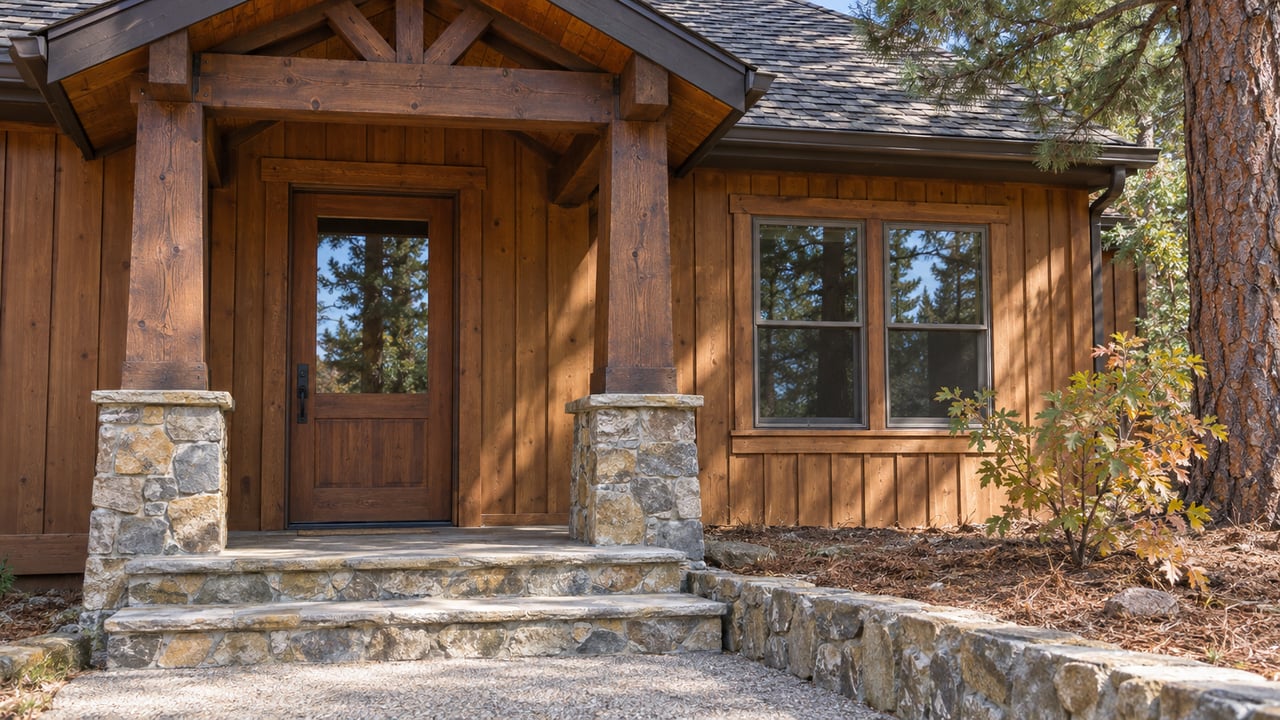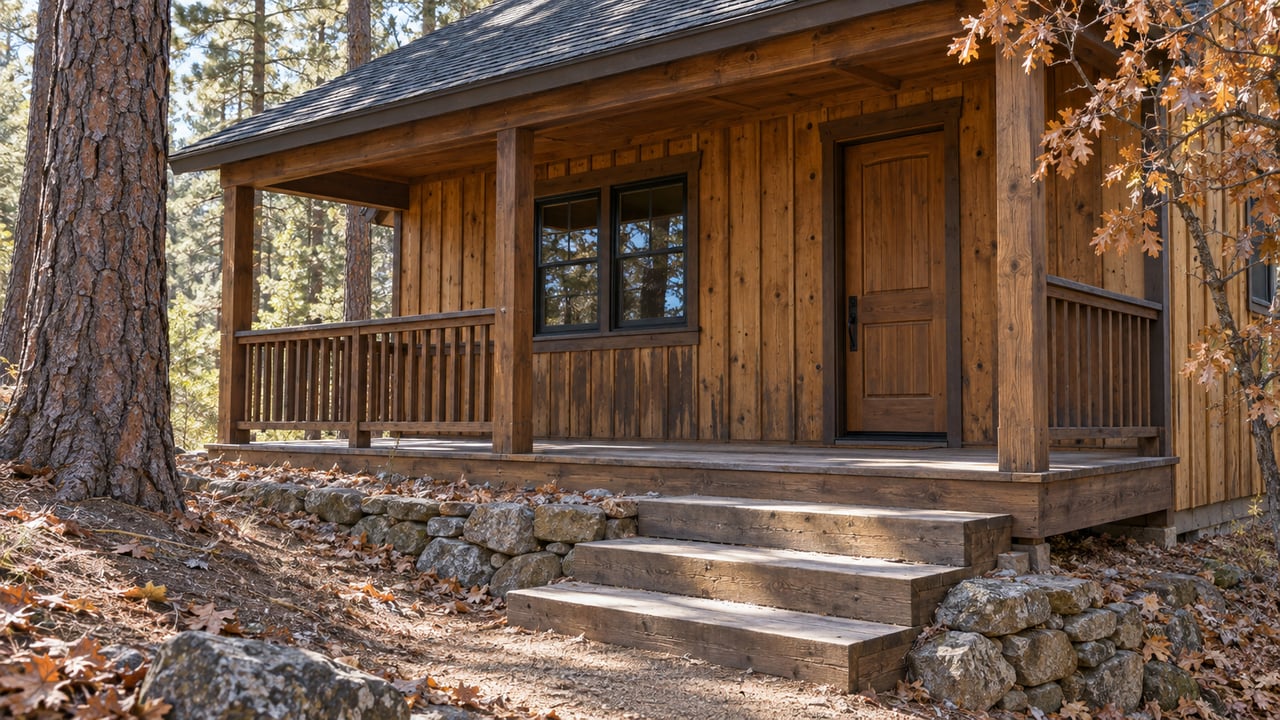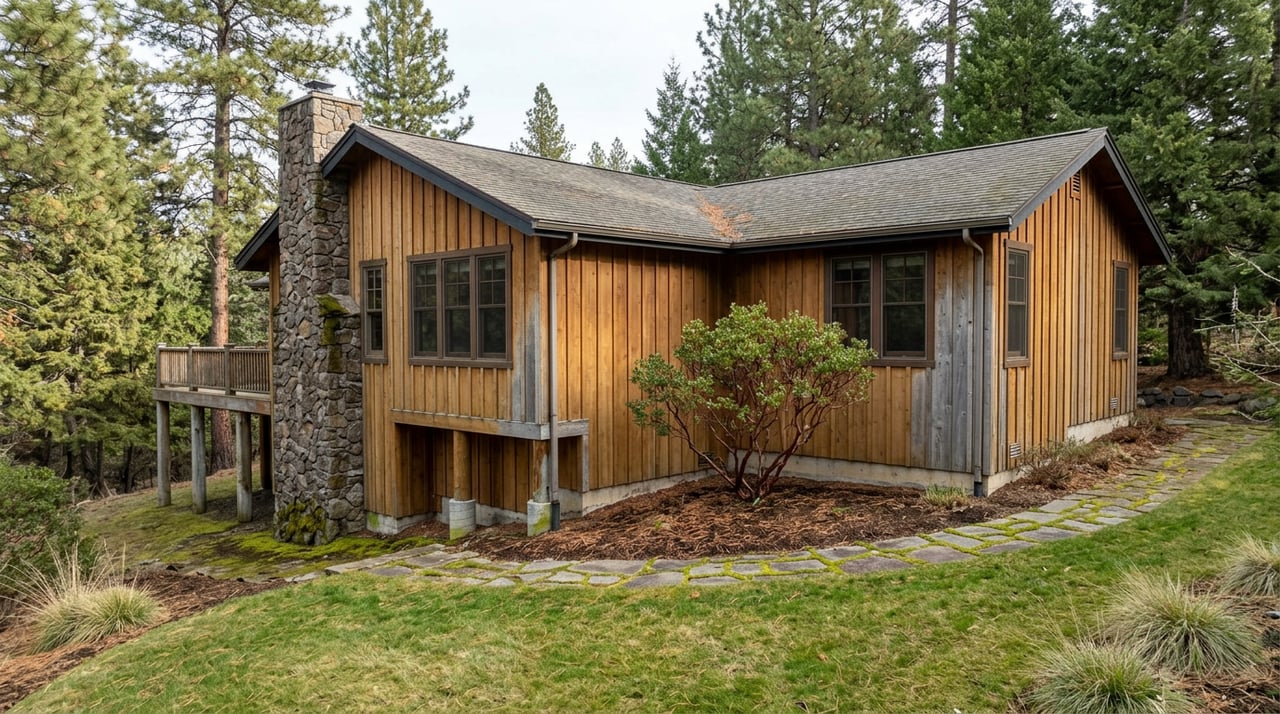
Getting a home ready to sell in Columbia is a little different than getting a home ready anywhere else in Tuolumne County. Buyers are not just looking at square footage and finishes. They are also noticing how well a property fits the character of this historic Gold Rush town, how safely it has been maintained, and whether the home feels cared for from the moment they pull up. If you want to make a strong first impression and avoid last-minute surprises, the right prep plan can make all the difference. Let’s dive in.
Start With Columbia’s Historic Character
Columbia has a distinct identity, and that matters when you prepare your home for sale. According to Tuolumne County’s Columbia Community Plan, the area is known for its historic Gold Rush-era setting and is part of a formal Design Review District intended to protect its appearance.
That does not mean you need to take on a major restoration project before listing. In fact, a smarter approach is usually to focus on preservation and polish. Tuolumne County’s Columbia Design Guidelines emphasize compatibility with historic architectural heritage, including traditional materials and details such as wood siding, brick, stone, historic-style doors, porches, and appropriately styled windows.
For many sellers, that means your best return comes from highlighting what is already there. If your home has original trim, woodwork, doors, or period details, make those features visible. Clean them, repair minor wear where needed, and avoid covering them up with busy decor or trendy updates that fight the home’s character.
Prioritize Defensible Space First
In Columbia and the surrounding foothills, exterior cleanup is not just about curb appeal. It is also about safety. Tuolumne County’s defensible space guidance notes that property owners should remove dead vegetation from roofs, gutters, decks, and yards, trim trees, mow annual grass low, move wood piles away from the immediate home zone, and maintain spacing between plants based on slope and vegetation type. CAL FIRE also states that 100 feet of defensible space is required by law.
This should be your first major prep step before photos or showings. A tidy, well-maintained exterior signals to buyers that the home has been cared for, and it can help reduce concerns about fire risk and deferred maintenance.
Focus on visible, practical tasks like these:
- Clear leaves and pine needles from the roof and gutters
- Remove dead plants and branches near the house
- Trim overgrown shrubs and low tree limbs
- Mow dry grass and clean up weedy areas
- Move stacked firewood away from the home
- Sweep decks, porches, walkways, and entry steps
These improvements are often more valuable than expensive cosmetic projects because buyers see them right away. National data from Zonda’s 2024 Cost vs. Value report also supports prioritizing simple, visible exterior upgrades over larger discretionary remodels, with exterior replacement projects continuing to make the most sense for resale.
Make Small Exterior Fixes That Show Well
Once cleanup is handled, look at the home through a buyer’s eyes. In a place like Columbia, small exterior repairs can go a long way because buyers tend to notice whether a home feels maintained and compatible with its setting.
Pay attention to the basics. Tighten loose railings, touch up worn paint where appropriate, repair damaged screens, replace a tired mailbox if needed, and make sure the front door area feels clean and welcoming. If your garage door or entry door is dated or visibly worn, that may be worth evaluating, especially since Zonda’s national resale data highlights garage-door and steel entry-door replacement among strong-performing exterior projects.
The goal is not to make your home look brand new. The goal is to make it look solid, clean, and cared for.
Gather Septic, Well, and Permit Records
In foothill and rural markets, documentation matters. Buyers often have questions about systems that are not part of a typical city property, and Columbia-area sellers can save time by gathering records before the home hits the market.
If your property has an onsite wastewater system, Tuolumne County Environmental Health oversees onsite wastewater systems. The EPA guidance referenced by the county says the average household septic system should be inspected at least every three years and pumped every three to five years.
If your property has a private well, Tuolumne County’s well guidance recommends annual testing for total coliform bacteria, nitrate, and electrical conductivity, along with annual inspection for cracks or leaks in the casing or seal. Having recent records ready can help answer buyer questions early and reduce delays during escrow.
Try to pull together:
- Septic inspection, pumping, and service receipts
- Well test results and maintenance records
- Invoices for repairs or upgrades
- Manuals or service notes for major systems
- Permits for past remodeling or construction work
This step matters because Tuolumne County’s Building and Safety Division reviews permits for construction and remodeling, and county code compliance identifies building without a permit and failed septic systems among common complaints. If work was done in the past, having records ready can make the sale smoother.
Prepare for Required Disclosures
If your Columbia home was built before 1978, lead-based paint disclosure rules may apply. The California Department of Public Health explains that sellers of pre-1978 housing must disclose known lead hazards and provide the federal lead pamphlet, and buyers generally have a 10-day opportunity for inspection or testing if the parties agree. CDPH also notes that homes built before 1950 almost always contain some lead-based paint. You can review those requirements on the CDPH lead disclosure page.
This does not mean your sale is in trouble. It simply means it is wise to be organized and upfront. Clear disclosures help build trust and reduce the chance of surprises later in the transaction.
Stage for History and Everyday Living
Staging works, and the numbers are compelling. According to the National Association of Realtors’ 2025 home staging report, 83% of buyers’ agents said staging made it easier for buyers to visualize a property as a future home, 49% said staging reduced time on market, and 29% said staging led to a 1% to 10% increase in the dollar value offered.
In Columbia, staging should do two things at once. It should honor the home’s historic or rustic details while also helping buyers picture comfortable, present-day living.
That usually means simplifying rather than adding. Keep original woodwork, trim, doors, and architectural details visible. Remove excess furniture, clear off crowded shelves, and use a lighter touch with decor so the home feels open, orderly, and easy to understand.
NAR’s research also found that the most important rooms to stage are:
- Living room
- Primary bedroom
- Kitchen
If you are not staging every room, start there. A clean, bright living room and a calm primary bedroom can shape a buyer’s entire impression of the home.
Get the Home Photo-Ready
Today, your listing often makes its first impression online. NAR research shows that all home buyers used the internet in their home search, and buyers’ agents rank listing photos, videos, and virtual tours as highly important. The full staging profile reinforces how much presentation matters before a buyer ever steps inside.
For a Columbia home, the media should capture both charm and function. Buyers want to see historic details, but they also want reassurance that the home lives well now.
Before photography day, make sure you:
- Open window coverings to bring in natural light
- Remove countertop clutter in kitchens and baths
- Hide cords, bins, and personal items
- Sweep porches, decks, and paths
- Park extra vehicles out of sight if possible
- Turn on interior lamps for warmth and balance
If your home has standout period details, be sure they are visible and not blocked by furniture or decor. If it has practical updates like well-kept windows, a clean porch, or a functional outdoor area, those features should be part of the story too.
Follow a Smart Prep Order
If you are wondering where to begin, keep it simple. In Columbia, the strongest pre-listing plan is usually this order:
- Exterior cleanup and defensible space
- Minor repairs and maintenance
- System records and disclosures
- Historic-sensitive staging
- Professional photography and marketing
This order works because it addresses the biggest buyer questions first. Is the property safe? Has it been maintained? Is the paperwork in order? Does it show well online and in person?
When you answer those questions early, your home is easier for buyers to understand and easier for them to feel confident about.
Work With a Local Strategy
Selling in Columbia is not about making your home look like every other listing. It is about presenting it in a way that respects the setting, highlights the property’s strengths, and helps buyers see both its character and its practicality.
That is where local guidance can really help. From defensible-space priorities to well and septic records to marketing that speaks to both local and out-of-area buyers, the prep process is easier when you have someone who understands how foothill properties are evaluated.
If you are thinking about selling, Leeann Lupo can help you build a smart prep plan, coordinate the right next steps, and position your Columbia home to stand out for the right reasons.
FAQs
What should sellers fix first before listing a home in Columbia, CA?
- Start with exterior cleanup and defensible space, then handle minor visible repairs, gather system records, and stage the home for photos and showings.
Do Columbia, CA home sellers need defensible space before selling?
- Yes. Tuolumne County says defensible space is important for safety and property upkeep, and CAL FIRE states that 100 feet of defensible space is required by law.
Should sellers renovate an older historic-style home in Columbia, CA before listing?
- Usually, a preservation-and-polish approach makes more sense than a major renovation, especially when the home has details that fit Columbia’s historic setting.
What records should Columbia, CA sellers gather before putting a home on the market?
- Collect septic service records, well test results, repair invoices, and permits for past construction or remodeling work.
Do pre-1978 homes in Columbia, CA need lead-based paint disclosure?
- Yes. Sellers of pre-1978 housing must disclose known lead hazards and provide the required federal lead information pamphlet.
Which rooms matter most when staging a Columbia, CA home for sale?
- NAR reports that the living room, primary bedroom, and kitchen are the most important rooms to stage.